
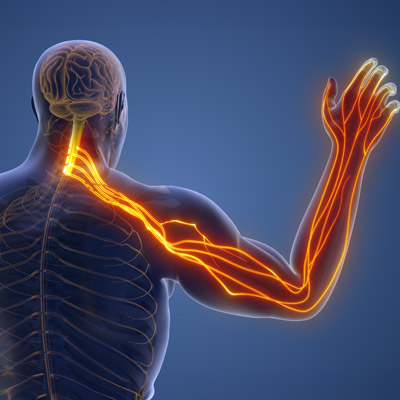
Pinched nerve pain can be excruciating. That sharp, shooting sensation, the persistent numbness, the tingling that won’t quit – it affects everything from your sleep to your ability to work. This guide answers whether a chiropractor can help a pinched nerve, how the treatment works, and what you should expect from care.
What Is a Pinched Nerve?
A pinched nerve occurs when surrounding tissues – bones, discs, muscles, or ligaments – place excessive pressure on a nerve, disrupting its normal function.
How Nerve Compression Occurs
Your nerves are like electrical wires transmitting signals between your brain and body. When something compresses these delicate structures, the signals get disrupted or blocked entirely.
Common causes of compression:
- Herniated or bulging discs pushing on nerve roots
- Bone spurs from arthritis narrowing nerve pathways
- Spinal misalignment shifting vertebrae onto nerves
- Muscle swelling or spasm trapping nerve tissue
- Ligament thickening reducing space for nerves
Why Nerves Cause Pain, Numbness, Tingling, or Weakness
Compressed nerves produce distinct symptoms depending on severity and location:
- Pain: Sharp, burning, or electric sensations along the nerve pathway
- Numbness: Loss of sensation in areas the nerve controls
- Tingling: “Pins and needles” feeling indicating partial nerve interference
- Weakness: Reduced strength in muscles the nerve activates
Common Symptoms of a Pinched Nerve
Recognizing pinched nerve symptoms helps you know when to seek care and what to tell your chiropractor.
Neck vs Lower Back Symptoms
Cervical pinched nerve (neck):
- Neck pain radiating into shoulder, arm, or hand
- Numbness or tingling in fingers
- Weakness gripping objects
- Headaches starting at skull base
- Pain worsening with certain head positions
Lumbar pinched nerve (lower back):
- Lower back pain radiating into buttock, leg, or foot (sciatica)
- Numbness in leg or foot
- Weakness in leg or foot muscles
- Pain worsening with sitting, bending, or coughing
- Difficulty standing from seated position
Warning Signs Symptoms Are Worsening
Seek immediate care if you experience:
- Progressive weakness making it difficult to walk or grip
- Loss of bowel or bladder control
- Numbness spreading in groin/inner thigh area (saddle anesthesia)
- Severe pain not relieved by any position
- Symptoms in both legs simultaneously
These indicate potential medical emergencies requiring immediate evaluation.
Can a Chiropractor Help a Pinched Nerve?
Direct answer: Yes – in most cases, chiropractic care effectively relieves pinched nerve symptoms by addressing the mechanical causes of nerve compression.
How Chiropractic Addresses Pressure on Nerves
Chiropractor for pinched nerve treatment works through multiple mechanisms:
- Restoring joint mobility: Adjustments improve how vertebrae move, reducing mechanical pressure on adjacent nerves.
- Decompressing nerve pathways: Proper spinal alignment creates more space in areas where nerves exit the spine.
- Reducing inflammation: Improved mechanics decrease inflammatory chemicals irritating nerve tissue.
- Releasing muscle tension: Soft tissue work relaxes muscles that may be trapping nerves.
Studies by Bronfort et al. in Annals of Internal Medicine found that spinal manipulation provided superior relief for cervical radiculopathy (pinched nerve in neck) compared to medication alone.
Conditions Commonly Helped
Chiropractic care for pinched nerve proves particularly effective for:

These conditions respond well because the underlying cause is mechanical – something chiropractic addresses directly.
How Chiropractic BioPhysics (CBP) Helps Relieve a Pinched Nerve
At DeCarlo Chiropractic, we don’t just adjust your spine and send you home. We use Chiropractic BioPhysics (CBP) – the most researched and results-oriented approach to structural correction.
CBP vs Symptom-Based Chiropractic
Traditional chiropractic: Focuses on improving joint motion and reducing immediate pain through periodic adjustments. Results are often temporary.
CBP approach: Systematically corrects the underlying structural problems causing nerve compression – creating lasting relief rather than requiring endless maintenance adjustments.
Restoring Spinal Alignment & Natural Curves
Pinched nerve chiropractic treatment with CBP addresses the root problem:
- Loss of cervical curve: Forward head posture reduces the natural neck curve, narrowing spaces where nerves exit. Restoring this curve decompresses nerves naturally.
- Lumbar misalignment: Flattened or reversed lumbar curve increases disc pressure and nerve compression. Correcting the curve relieves this pressure.
- Postural distortions: Scoliosis, pelvic tilt, and other imbalances create uneven stress that traps nerves.
Structural Correction vs Temporary Relief
As a chiropractor New City, NY residents trust for complex cases, I’ve seen the difference structural correction makes:
Temporary relief approach:
- Weekly adjustments indefinitely
- Symptoms return between visits
- Never addresses why nerves keep getting pinched
Structural correction approach:
- Systematic remodeling of spinal structure
- Progressive improvement over 8-12 weeks
- Lasting results requiring minimal maintenance
- Root cause eliminated, not just symptoms managed
Is It Safe to See a Chiropractor for a Pinched Nerve?
Is chiropractic safe for pinched nerve treatment? Yes, when performed by qualified practitioners using appropriate techniques.
Evidence-Based Safety Overview
Serious complications from chiropractic care are exceptionally rare. Research by Cassidy et al. in Spine Journal found no increased risk of stroke associated with cervical manipulation compared to visiting a family physician for neck pain.
Common, minor side effects:
- Temporary soreness (24-48 hours)
- Mild fatigue as body adapts
- Occasional temporary increase in symptoms
Why Proper Diagnosis Matters
Chiropractor for nerve pain treatment requires accurate diagnosis before any intervention:
We use:
- Detailed health history and symptom analysis
- Comprehensive physical examination
- Neurological testing (reflexes, strength, sensation)
- Digital X-rays showing structural problems
- MRI review when available or ordering when needed
This thorough approach ensures we understand exactly what’s compressing your nerve and whether chiropractic care is appropriate.
Take the First Step Toward Lasting Relief
Can a chiropractor help a pinched nerve? The evidence clearly shows yes – particularly when structural correction addresses why the nerve became compressed rather than just temporarily reducing symptoms.
At DeCarlo Chiropractic, we emphasize pinched nerve chiropractic treatment that creates lasting change:
- Correcting spinal structure, not just moving joints
- Restoring natural curves that decompress nerves naturally
- Eliminating root causes so symptoms don’t return
- Providing measurable results through before/after X-rays
This approach takes longer initially but produces far more durable outcomes than symptom-chasing care.
Don’t spend another week suffering with nerve pain. Schedule your thorough evaluation today. We’ll identify exactly what’s compressing your nerve, explain your condition clearly, and outline a treatment plan designed to provide lasting relief – not just temporary symptom reduction.
Frequently Asked Questions
Can a chiropractor fix a pinched nerve permanently?
When the cause is mechanical (disc herniation, misalignment, curve loss), structural correction can eliminate the compression permanently. However, maintaining proper posture and spinal health prevents recurrence.
Is chiropractic painful for pinched nerves?
Most patients find treatment comfortable. Adjustments shouldn’t increase nerve pain. We use gentle techniques appropriate for your pain tolerance and condition severity.
Do I need an MRI first?
Not always. X-rays often provide sufficient information for treatment planning. We order MRIs when symptoms suggest severe disc herniation, uncertain diagnosis, or inadequate response to initial care.
Is sciatica a pinched nerve?
Yes. Sciatica is the term for symptoms (leg pain, numbness, weakness) caused by compression of the sciatic nerve, typically from lumbar disc herniation or spinal stenosis.