

A lot of people wonder: can chiropractic care help with anxiety? It’s a fair question. And the honest answer is – it’s a bit of both. Chiropractic care doesn’t treat anxiety disorders directly. However, it may genuinely support your nervous system, ease physical tension, and help your body feel more balanced overall.
This article is for anyone exploring supportive, drug-free options alongside their existing care. If you’re managing a diagnosed anxiety disorder, please continue working with your mental health professional – chiropractic works best as part of a bigger wellness picture.
Quick Answer: Can Chiropractic Care Help With Anxiety?
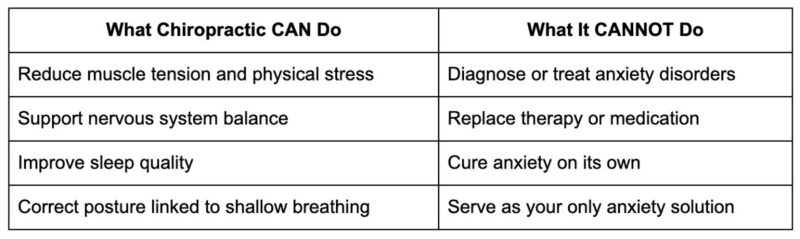
Bottom line: Think of chiropractic as one useful piece of a larger wellness puzzle – not the whole picture.
What Is Anxiety? Understanding the Basics
Anxiety is your brain’s way of sounding the alarm when it senses danger – even when the danger isn’t actually there. Everyday stress is normal and manageable. However, when that stress becomes constant or overwhelming, it can cross the line into an anxiety disorder.
Common physical symptoms of anxiety include:
- Chronic muscle tension (especially shoulders and neck)
- Shallow or irregular breathing
- Disrupted sleep patterns
- Digestive discomfort and stomach issues
These aren’t just “mental” symptoms. They’re real, physical responses happening inside your body and that’s exactly why chiropractic care for anxiety support deserves a closer look.
The Nervous System Connection: Why Spinal Health Matters
The Spine, Brain and Nervous System
Your spine isn’t just a stack of bones. It’s the main highway between your brain and the rest of your body. Every signal your brain sends – to your muscles, organs, and immune system – travels through your spinal cord.
When your spine is misaligned, those signals don’t travel as smoothly. Think of it like a phone call with constant static. The connection is there, but it’s not working at its best.
Stress, Anxiety, and the Fight-or-Flight Response
Here’s where things get interesting. Your nervous system has two main modes:
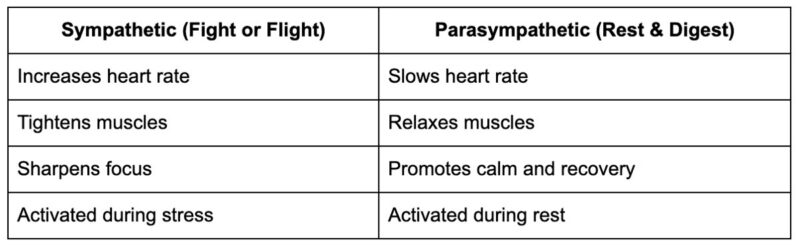
When chronic stress keeps your body stuck in fight-or-flight mode, everything suffers – your sleep, your muscles, your digestion, and your overall sense of calm.
How Chiropractic Care May Support Anxiety Relief
Reducing Physical Tension and Musculoskeletal Stress
This is one of the most immediate benefits patients notice. When we remove joint restrictions and ease muscle tension, your body stops sending constant “something is wrong” signals.
What this looks like in practice:
- Muscle relaxation – especially in the neck, shoulders, and upper back
- Improved joint mobility and range of motion
- Fewer physical stress signals reaching your nervous system
Supporting Nervous System Regulation
A well-aligned spine supports better communication between your brain and body. Over time, this can help your nervous system become more adaptable to stress – rather than constantly reacting to it.
Improving Sleep Quality
Sleep and anxiety are deeply connected. Poor sleep wakes anxiety. Anxious nights destroy sleep. It becomes a frustrating cycle.
Chiropractic care addresses the physical side of this equation. When your body is more comfortable and your nervous system is better regulated, falling and staying asleep becomes easier.
Posture, Breathing and Your Stress Response
Here’s something most people don’t realize – posture directly affects how you breathe.
Forward head posture (a very common pattern in desk workers) compresses your chest and limits your breathing capacity. Shallow breathing, in turn, activates your stress response. It’s a silent cycle that keeps anxiety fueled.
Chiropractic BioPhysics® (CBP) posture correction targets this exact pattern. By restoring proper spinal curves, we help open up your chest and support more efficient, deeper breathing.
Who May Benefit From Chiropractic Care for Anxiety Support
Not everyone is the right fit and that’s okay. You might benefit most if you are:
- Dealing with stress-related muscle tension, especially in your neck or shoulders
- Experiencing anxiety paired with physical pain that won’t seem to go away
- A desk worker carrying postural stress from hours at a screen
- Looking for drug-free, supportive wellness options to complement your existing care
If any of these sound familiar, chiropractic care may be a worthwhile addition to your wellness routine.
Supporting Your Wellness With a Nervous System – Focused Approach
At DeCarlo Chiropractic, as your local chiropractor New City, we take a calm, no-pressure approach to wellness. We’re not here to replace your therapist or doctor. We’re here to support your body’s ability to handle stress more effectively.
If chiropractic care can help with anxiety is a question you’ve been sitting with, we’d love to help you explore the answer – at your own pace.
No pressure. No commitment. Just a conversation. Visit us at DeCarlo Chiropractic in New City, NY or Book a free wellness consultation today.
Your nervous system works hard for you every single day. Let’s make sure it’s working at its best.
Frequently Asked Questions
Can chiropractic adjustments calm anxiety?
They can’t calm anxiety directly. But by reducing physical tension and supporting nervous system balance, many patients report feeling noticeably calmer and less stressed after care.
Is chiropractic care safe for people with anxiety?
Yes. Our adjustments are gentle, safe, and tailored to each patient. We also create a calm, low-pressure environment because we know that matters.
How long does it take to notice changes?
Everyone responds differently. Some patients notice a shift after just a few visits. Others see gradual improvement over 4–6 weeks of consistent care.
Can chiropractic be combined with therapy or medication?
Absolutely. In fact, we encourage it. Chiropractic works best as part of a broader wellness plan – not as a replacement for other treatments.
Is CBP different from regular chiropractic care?
Yes. Chiropractic BioPhysics® goes beyond standard adjustments. It focuses on correcting your actual spinal structure using precise, evidence-based techniques which supports better nervous system function long-term.